
ONTARIO PARKS
Discover. Explore. Experience.



Ontario Parks
Discover the natural beauty, rich history, and diverse wildlife of Ontario’s provincial parks. Plan your visit, explore activities, and connect with nature like never before.
The Ontario Parks system stretches over 125 years. It began in 1893 with the creation of Algonquin Provincial Park. In 1954 the management and creation of provincial parks came under the Department of Lands and Forests. There are now 330 provincial parks comprising 8% of Ontario's landmass which is an area larger (over 82,000 km2) than the Provinces of Nova Scotia and PEI combined.
ONTARIO PARKS
Journey through time and discover how Ontario’s provincial parks have grown into a legacy of conservation, recreation, and natural beauty

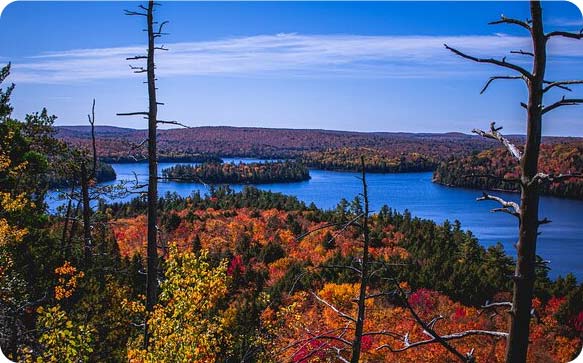
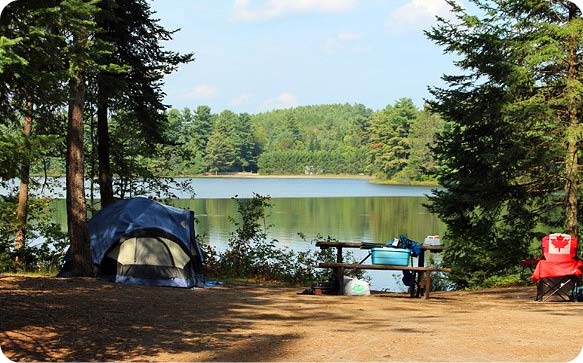
Algonquin Provincial Park
Ontario’s first provincial park. Created to protect forest watersheds and reduce the impact of logging, it became a pioneer in conservation and recreation. Today, it spans over 7,600 square kilometers and is a globally recognized natural treasure.
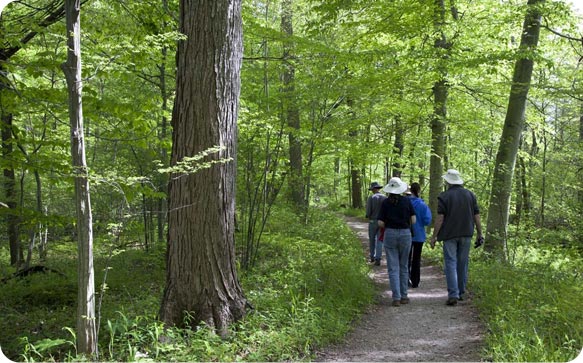
Rondeau Provincial Park
Established to protect one of the oldest Carolinian forests in Canada. Located on Lake Erie, Rondeau is known for birdwatching and rare species. It's one of the few remaining examples of southern Ontario’s original hardwood forests.
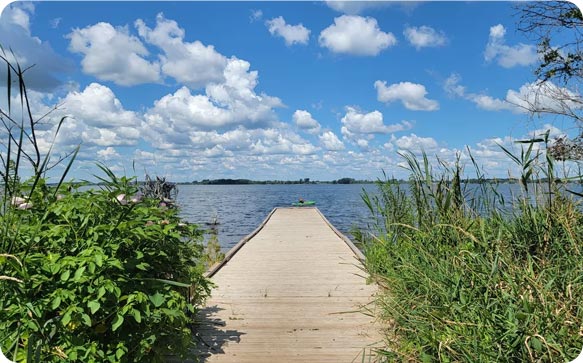
Quetico Provincial Park
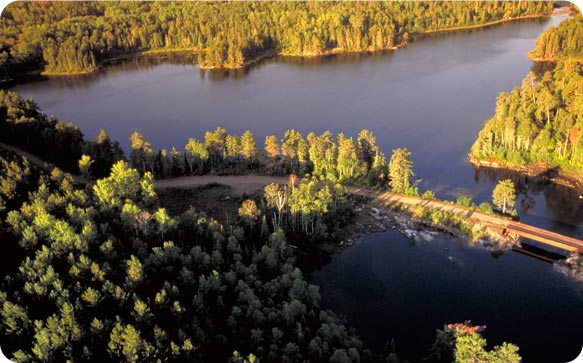
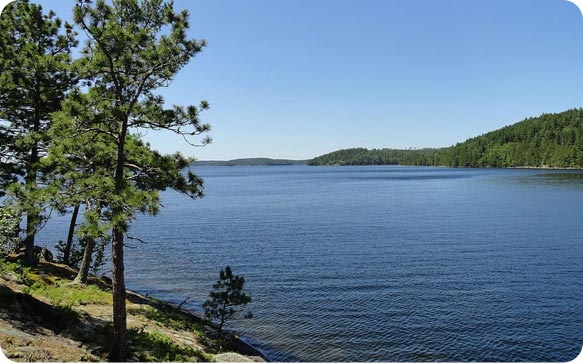
A remote canoeing destination that borders Minnesota’s Boundary Waters. Quetico protects over 4,700 sq km of lakes, rivers, and boreal wilderness. It is internationally respected for its pristine backcountry paddling routes.
Petroglyphs Provincial Park
This cultural heritage park protects a sacred Indigenous site — Canada’s largest collection of ancient rock carvings. Access is carefully managed to protect the site, while interpretive programs teach its spiritual significance.
Killarney Provincial Park
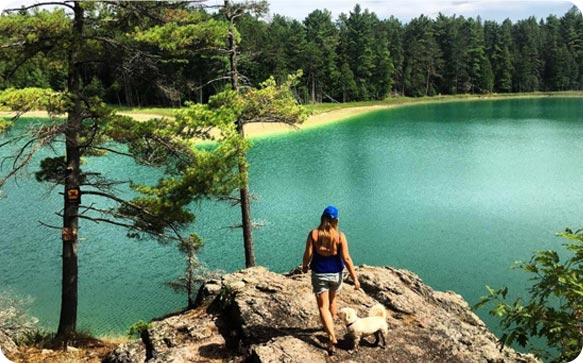
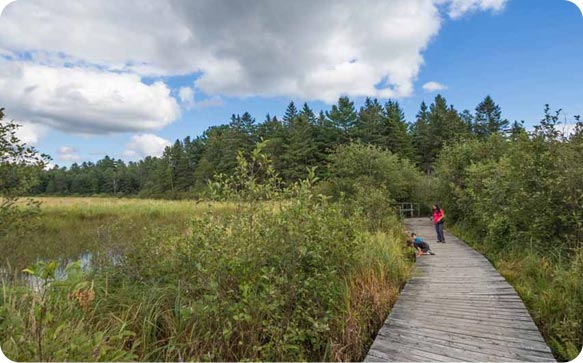
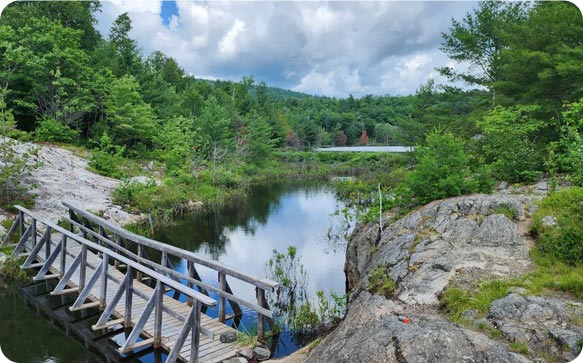
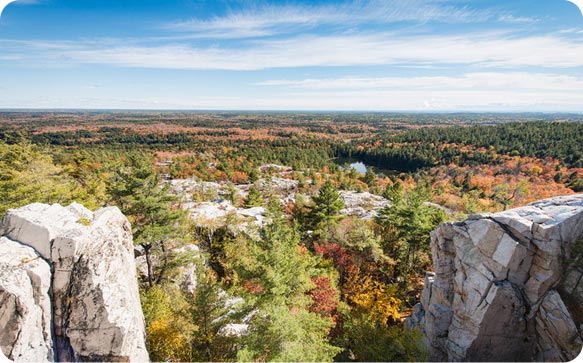
Known for its white quartzite cliffs, sapphire lakes, and pink granite ridges, Killarney was established due to public pressure from naturalists and artists like the Group of Seven. It’s a prime example of natural beauty inspiring conservation.
Wabakimi Provincial Park (expanded)
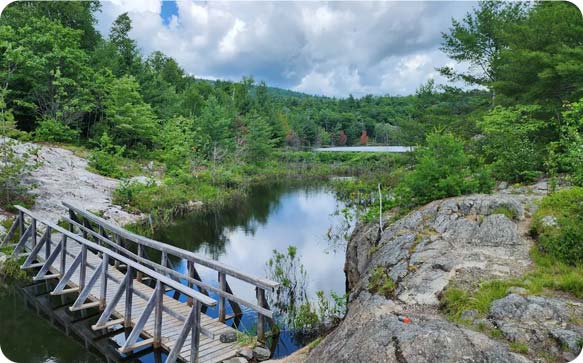
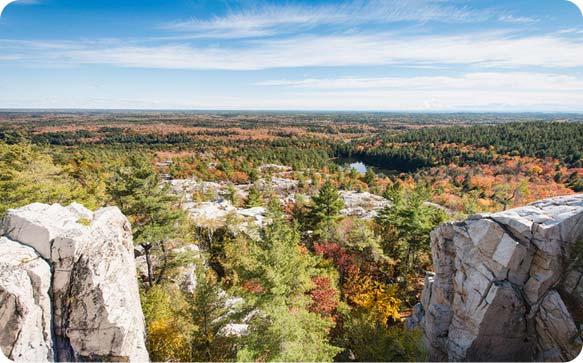
Though created earlier, Wabakimi was significantly expanded in the early 2000s, making it one of the largest wilderness parks in Ontario. It protects important canoe routes and habitat for woodland caribou.
ONTARIO PARKS
Access important visitor information, explore park activities, and understand park classifications for a safe and enjoyable experience
 Hours
Hours
8 AM – 10 PM (Vary according to weather)
 Permits
Required for day use & camping
 Alcohol/Cannabis
Not allowed in public areas
Facilities
Washrooms, water, picnic areas
 Pets
Pets
Pets must be leashed at all times
Ontario’s provincial parks offer scenic trails and peaceful campsites. Review key rules to ensure a safe and enjoyable visit.

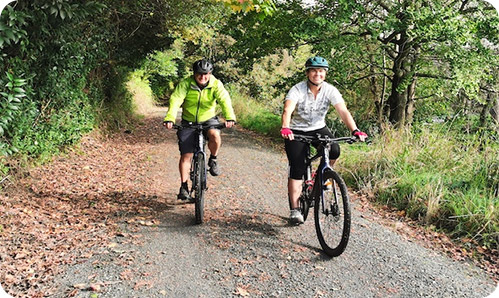 Outdoor Recreation
 Hiking (Year-round)
Biking (Spring–Fall)
Canoeing (Spring–Fall)
Swimming (Summer)
Fishing (Seasonal)
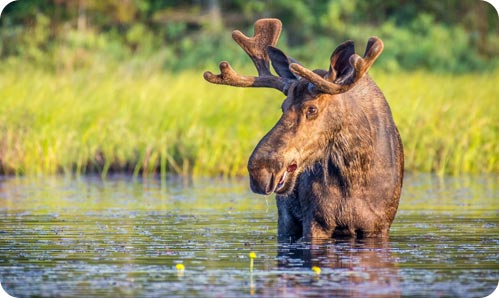 Nature & Wildlife
Birdwatching (Year-round)
Photography (Year-round)
Wildlife (Spring–Fall)
Nature Walks (Summer)
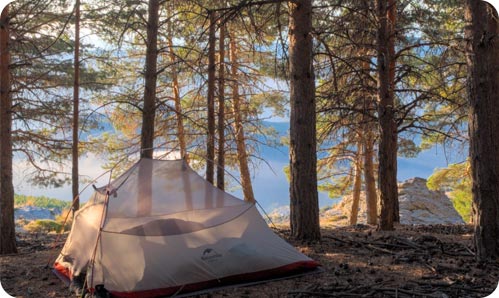 Camping & Picnicking
Tent Camping (May–Oct)
RV Camping (May–Oct)
Picnic Areas (Spring–Fall)
Fire Pits (Permition)
Shelters (Advance Booking)
Ontario’s parks are grouped by classification to protect nature and offer a variety of experiences. Each type has its own purpose — from conservation to recreation
 Nature
 Reserve Class
Protects sensitive natural habitats and species
Example: Petroglyphs Park
 Wilderness
Class
Preserves large, remote areas in a natural state
Example: Wabakimi Park
 Environmental
Class
Balances recreation with conservation
Example: Algonquin Park
 Recreational
Class
Provides high-quality outdoor recreation
Example: Sandbanks Park
 Cultural
Heritage Class
Protects significant cultural or historic resources
Example: Bonnechere Caves
 Waterway
Class
Protects recreational river corridors and watersheds
Example: French River Park
ONTARIO PARKS
Step into the boreal forest—where songs fill the air and millions of birds begin their journey of life each year.
Tap Bird's Image To View Details
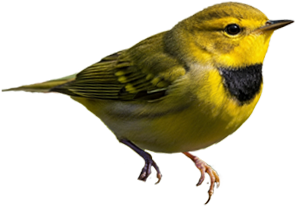
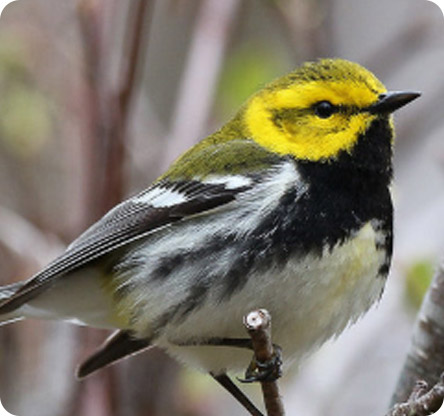
Black-throated Green Warbler
The Black-throated Green Warbler is a bright and lively forest warbler, easily recognized by its yellow face and bold black throat. It fills Ontario’s coniferous forests with its sweet, buzzy song during breeding season. After nesting in spruce and fir canopies across the boreal zone, it migrates south to spend the winter in Mexico, Central America, and the Caribbean.
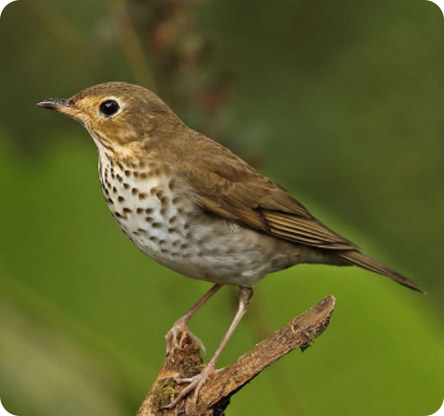
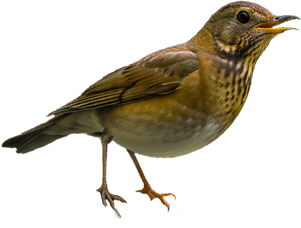
Swainson’s Thrush
Often heard more than seen, the Swainson’s Thrush sings a magical, flute-like song that echoes through shady boreal understories. These shy thrushes breed in mossy, coniferous forests throughout northern Ontario and migrate thousands of kilometers to the Andean regions of Colombia, Ecuador, and Peru for the winter.
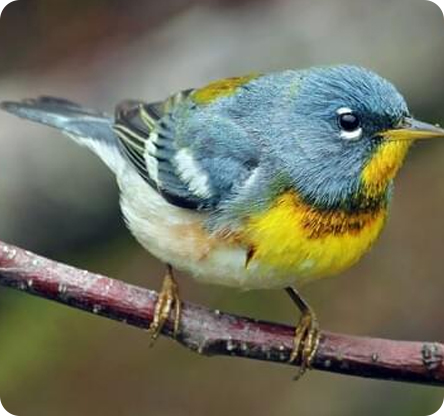
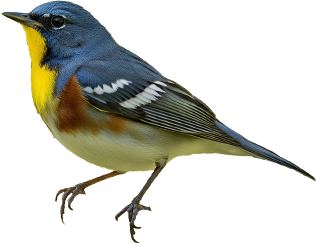
Northern Parula
A colorful warbler with a sky-blue back and yellow throat, the Northern Parula nests in hanging moss or old man's beard lichen high in boreal spruce trees. It breeds in southern boreal zones of Ontario and migrates to the southeastern U.S., Mexico, and the Caribbean for winter.
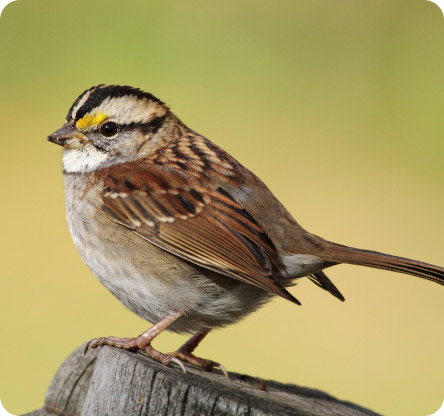
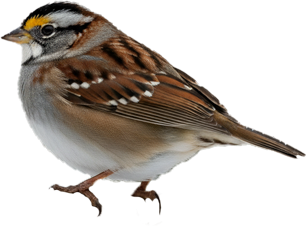
White-throated Sparrow
The White-throated Sparrow is a northern classic, easily recognized by its white throat and yellow eyebrows, and famous for its whistled song that sounds like “Oh sweet Canada.” It breeds across Ontario’s boreal forests and migrates south to the central and eastern United States to overwinter.